To choose an interior designer, first decide what your project needs: furnishing only, a remodel, or a new build. Then find three or four designers who've done that kind of work, look past the styled photos to the plans, and ask each one how they charge, who does what, and how decisions get made. Taste gets you on the shortlist. Process is what you'll live with for months, so pick the designer whose process you trust.
Below are the steps in order, plus the questions worth bringing to a first meeting.
Start with the scope of your project
The right designer depends on the job. Write down what's actually changing before you contact anyone.
- Furnishing and finishing. The walls, cabinets and tile stay. You need furniture, rugs, lighting, window treatments, art and a finished look.
- A remodel. A kitchen, a bath or a whole floor is changing. You need layouts plus cabinetry, tile and lighting selections your contractor can price from.
- A new build. You need someone who can work to a builder's selections schedule and hit the deadlines on it.
Have a budget range in mind, even a rough one. A designer can plan to a number, and the range tells them which approach fits: a single consultation, a design plan you carry out yourself, or ongoing help through sourcing and ordering. Know your timeline too. A builder's selections deadline, a move in date or a holiday you want the house ready for all change who can take the job.
If walls, cabinets, plumbing or lighting locations are moving, you want a designer with remodel experience. Our guide to interior designer vs decorator has a simple test for this.
Where to find an interior designer
- Referrals. Friends and neighbors who've finished a project, plus builders, architects and contractors who work with designers. A contractor can tell you whose plans are easy to price and follow.
- Google reviews. Read the reviews themselves, not just the star rating. Look for comments about communication, budgets and deadlines.
- Directories and marketplaces. Houzz and Thumbtack list designers with reviews and project photos.
- Instagram and websites. Great for style. Less useful for how a designer works, so treat them as a starting point.
- Local search. A designer nearby can walk the house, see the light and bring samples, and that matters more than it sounds.
How to read a portfolio
Styled photos show taste. They don't show whether the designer can handle your project. Ask to see more than the finished room.
- Similar work. A lake house, a kitchen remodel, a new build. Something close to yours.
- Plans and layouts. A floor plan, a cabinet elevation or a tile layout. If your project involves construction, this is the most important thing to see.
- Before and during. Photos of the room before and mid project show what the designer changed and how they handled the messy middle.
- Range. If every project looks the same, expect yours to look like them too. That might be exactly what you want.
Questions to ask an interior designer
Take these to the first call or meeting. The answers tell you more than the portfolio does.
- How do you charge? Flat fee, hourly, a percentage of purchases, or a mix. Our guide to how interior designers charge explains each one.
- What's the first step, and what do I get from it? A consultation, a design plan, or a retainer toward a larger project.
- What's included in the design fee? Layouts, renderings, revisions, and how many visits to the house.
- How do you price furniture and materials? Ask whether purchases are marked up, passed through at trade price, or bought by you directly.
- Who will I work with day to day? The principal, a junior designer, or both.
- How do you work with my contractor or builder? Ask what they hand over and how design questions get settled once work starts.
- How many revisions are included? And what happens if you want more.
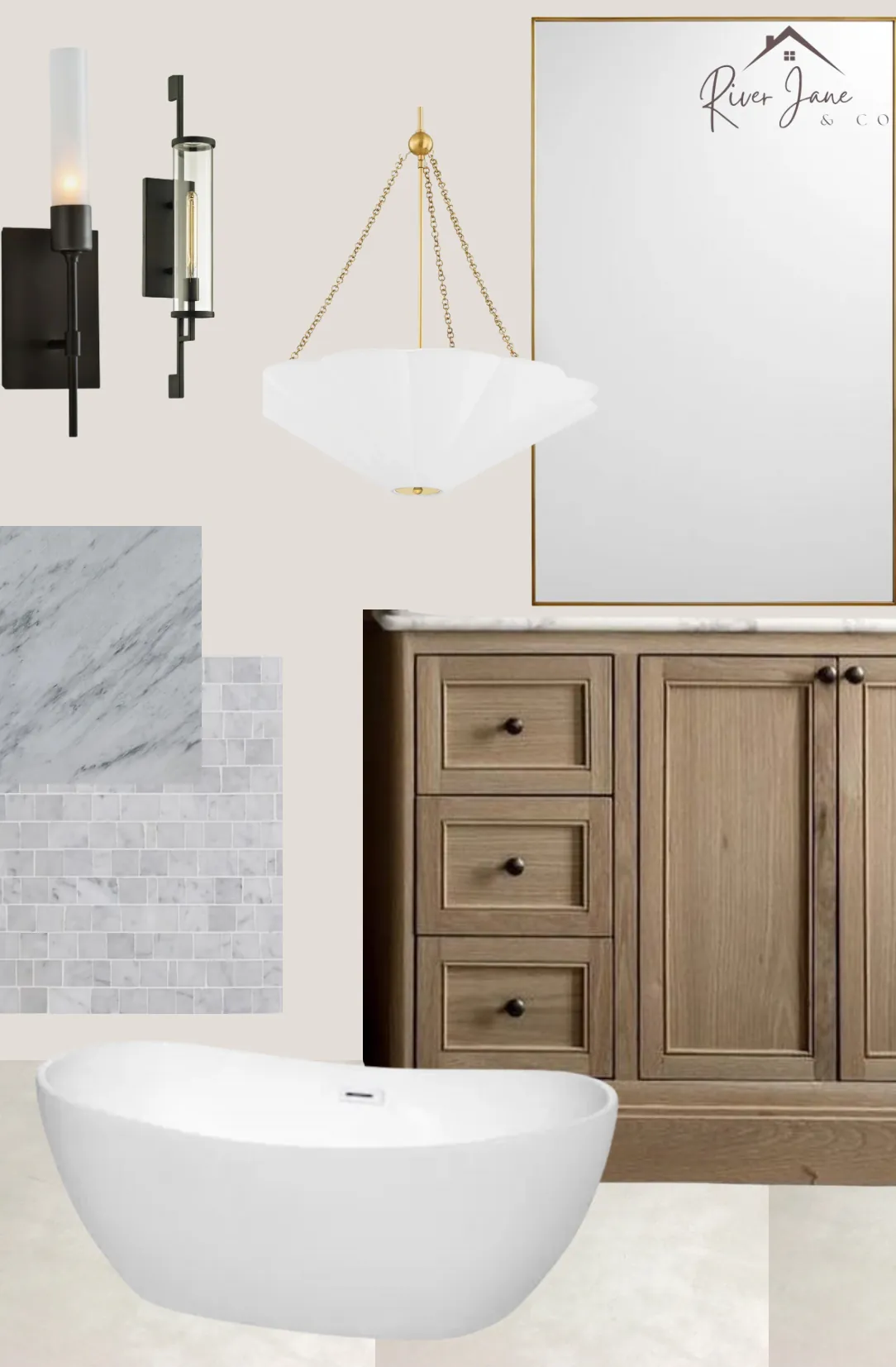
- How will I see the design before I commit? Mood boards, 3D renderings, samples in your own house.
- What's the timeline? For the design itself, and for ordering once it's approved.
- What happens if something arrives damaged or wrong? Who handles returns and claims.
- Can I talk to a past client? Or read reviews from people with a similar project.
- What would you change about my house first? A good designer has an opinion, and it tells you how they think.
What should the first meeting look like?
A good first meeting is mostly the designer asking questions. Who uses each room and when, what isn't working now, what you want to keep, and what the budget and timeline are. They should walk the rooms, look at the light and point out things you've stopped seeing.
By the end, you should know what the next step is, what it costs and what you get from it. A vague promise to send a proposal, with no idea what it'll say, is a bad sign. Some designers charge for the first visit, and that's fair. It's their time in your house, and you should leave with ideas you can use even if you hire someone else.
Listen to how they talk about other people, too. A designer who respects contractors, builders and past clients is usually easier to work with than one who blames them.
Red flags when hiring a designer
- No clear answer on how they charge, or a fee structure that shifts as you talk.
- No written agreement, or one that doesn't describe the scope.
- A large retainer with nothing defined in return.
- No plans or layouts to show on a project that involves construction.
- Reluctance to put selections or prices in writing before ordering.
- Pressure to decide on the spot.
How to hire an interior designer
Once you've picked someone, get the agreement in writing before work starts. It should cover:
- Scope. Which rooms, and what's included in each.
- Fees. The design fee, how purchases are priced, and when payments are due.
- Deliverables. What you'll receive, such as a layout, selections or a rendering.
- Purchasing. Who orders, where pieces ship, and who owns them once paid for.
- Changes. How a change in scope gets priced and approved.
In Texas, the title "registered interior designer" is regulated by the state architecture board, and anyone using it should be registered. Plenty of residential designers aren't, so ask if it matters for your project, and weigh it alongside experience with work like yours.
Signs you found the right designer
They asked more about your days in the house than about your favorite colors. They explained the process and the fees without being pushed. They noticed something about your house you'd missed. And they were clear about what the next step costs and what you get from it.
How River Jane & Co. works
River Jane & Co. is an interior design studio in Spicewood, working within about 28 miles of the studio, from Lake Travis and the Hill Country into Austin. Every project starts the same way: a free 15 minute call, then a consultation, in your home or virtual.
- First call
- Free, 15 minutes
- Consultation
- About an hour, in your home or virtual, depending on the project
- Design Strategy
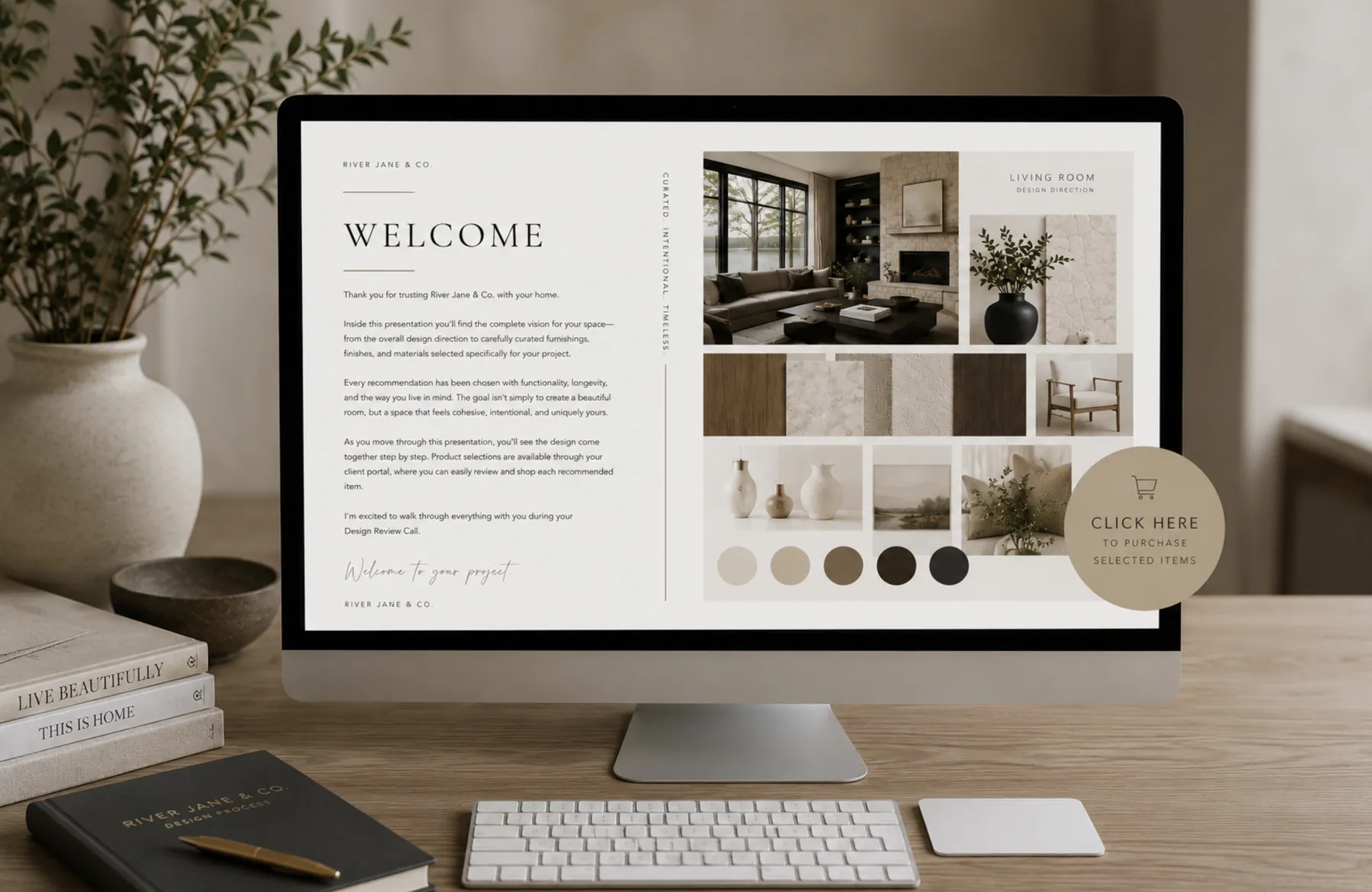
- From $999 per room or space, and whole homes are quoted after your consultation: layout, selections, mood board and 3D rendering, a 30 minute review call and a final visit with samples
- Full design and project services
- Quoted from your approved Design Strategy
The Design Strategy, from $999 per room, is where you see how we work before you commit to more. You get a layout, selections, a mood board, a 3D rendering, a 30 minute review call and a final visit with samples. A whole home or several rooms is quoted after the consultation, and full design and project services are quoted from the approved plan. Read what happens in a Design Strategy for the detail, see our work, or browse services and pricing.
Interviewing designers?
Book a 15 minute call